Address
Tabarbour, Amman, Jordan
Work Hours
Saturday – Wednesday:
10:00 AM – 8:00 PM
Thursday:
10:00 AM – 6:00 PM
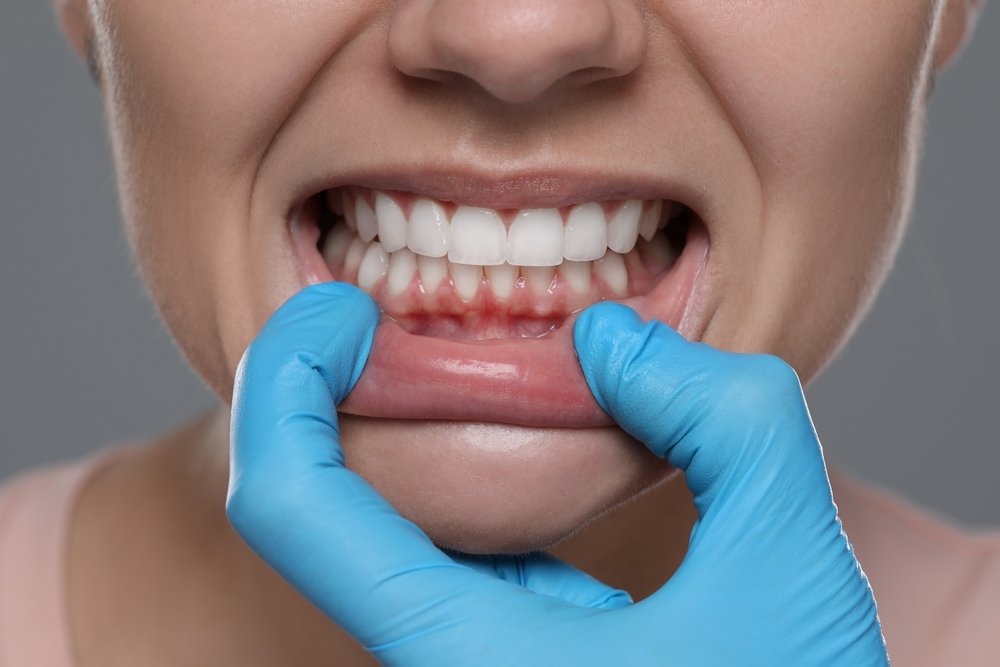
Teeth cleaning in Tabarbour at the dentist removes the deposits your toothbrush can’t, however good your technique is. It’s the simplest and cheapest procedure in dentistry, and the one that saves you the most over the years.
Here’s why you need it. The soft plaque that builds up on your teeth every day hardens into tartar within two or three days, and tartar sticks to the tooth. Brushing, flossing and mouthwash won’t shift it; only dedicated instruments in the clinic will. As long as it’s there, it gives bacteria a rough surface to cling to.
At Zoom Dental Clinic, a teeth cleaning appointment in Tabarbour is more than scaling. The visit includes a full check of your teeth and gums to catch early decay and signs of gum inflammation before they turn into bigger problems. That check is often the most valuable part of the appointment, even if it’s the part patients notice least.
The clinic also uses Prophy-Mate Neo air polishing alongside scaling, for a more thorough and more comfortable clean.
Book a teeth cleaning in Tabarbour roughly every six months, and your dentist will tell you if you need to come more often. If the check-up finds gum inflammation, we’ll talk you through gum treatment in Tabarbour, and if you’re hoping for a brighter smile, cleaning is the first step before teeth whitening. You can also read patient reviews and book through the clinic’s page on ClinicsJo.
The general rule is a check-up and cleaning roughly every six months if your mouth is healthy. That number isn’t random. It matches how quickly tartar builds up and decay develops for most people.
Some people need to come more often: anyone who has had gum disease, smokers, people with diabetes, anyone in braces, anyone with implants or crowns, and people whose saliva makes tartar form quickly.
It’s also time to book if you notice visible buildup, especially behind your lower front teeth, bleeding when you brush, or bad breath that won’t go away.
Cleaning is also a must before other treatments: whitening, braces, implants and crowns all need a healthy mouth to start from. Starting them on top of tartar and inflamed gums means a weaker result from day one.
And if it’s been years since your last cleaning, that’s a reason to come sooner, not a reason to keep putting it off.
Most people who need a cleaning feel nothing at all, and that’s exactly the point. Still, a few signs tell you it’s overdue:
Yellow or brown buildup along the gum line, especially behind the lower front teeth, where tartar forms fastest because it’s close to the salivary glands.
Bleeding when you brush or floss. It isn’t normal, even though many people think it is.
Bad breath that brushing and mouthwash don’t fix, or an unpleasant taste when you wake up.
A rough feeling when you run your tongue over your teeth, or teeth that look more yellow overall.
Sensitivity at the gum line, or teeth that seem a little longer than they used to, which can be early gum recession.
And most of all: more than a year since your last check-up, even if everything feels fine.
A cleaning isn’t usually painful and doesn’t need anaesthetic. You’ll feel vibration, hear the instrument and feel a water spray, plus some pressure near the gum line.
How comfortable it feels depends on two things: how much tartar there is, and how healthy your gums are. Inflamed gums are more sensitive, which is why someone who has put off cleaning for years finds it less comfortable than someone who comes regularly. In other words, putting it off makes the thing you’re avoiding worse.
You may feel some sensitivity to cold for a few days afterwards, especially if there’s gum recession or roots that the tartar had been covering. It settles gradually, and a sensitivity toothpaste helps.
If you have sensitive teeth or feel anxious at the dentist, tell the team before you start. They can adjust how they work or split the session. That’s much better than getting through an uncomfortable visit and then avoiding the dentist for years.
A routine appointment usually takes between half an hour and an hour. It covers the check-up, scaling above the gum line, polishing and advice for home care.
The time depends on how much buildup there is. If you come every six months, it takes far less time than if it’s been years, which is one of the practical perks of coming regularly.
If there’s tartar below the gum line or deep gum pockets, the plan changes: scaling and root planing under local anaesthetic, usually over more than one visit. At that point it’s gum treatment rather than a preventive clean, and your dentist will explain it after the assessment.
The check may also turn up early decay or a leaking filling that needs a separate visit. That isn’t turning a cleaning into an expensive treatment. It’s the whole point of the check: finding problems while they’re still small.
Afterwards you can go straight back to your day with no real restrictions.
A controlled stream of air, water and polishing powder lifts stains and soft deposits off the teeth, including in spots that are hard to reach with traditional instruments. The clean is quicker and more comfortable, and the finish is better. It works alongside scaling; it doesn’t replace treatment of gum pockets where they exist.
Not every mouth is cleaned the same way. The session is adapted to what the check-up shows and can include removing tartar and deposits, polishing away stains, cleaning between the teeth, and home-care advice that fits your mouth.
A cleaning involves direct contact with the gums and sometimes a little bleeding, so every instrument goes through full sterilization in a dedicated room, with single-use covers and instruments opened in front of you. A preventive visit has to be completely safe, or it defeats the purpose.
Dentist with over 19 years of international experience.
Dr. Yola Kovalenka is a distinguished medical professional in the field of dentistry.
In his practice, Dr. Mohammad Hatamleh combined academic excellence with advanced clinical training.
At Zoom Dental Clinic, every smile is treated with care, precision, and attention to detail. Our dentists provide a wide range of dental services, from preventive care and cosmetic treatments to restorative dentistry and advanced dental solutions.

No. The instruments target tartar, not the tooth itself. Some people notice bigger gaps afterwards because the tartar had been filling spaces left by gum recession. Removing it shows what was already there; it doesn’t create it. Any sensitivity afterwards fades over a few days.
About every six months if your mouth is healthy. You may need to come more often if you have gum disease, smoke, have diabetes, wear braces, or have implants or crowns. Tartar also builds up faster for some people because of their saliva, so your dentist will suggest the right interval for you after checking your mouth.
Cleaning removes surface stains and tartar, so your teeth go back to their real natural shade, and that alone surprises a lot of people. It doesn’t lighten the tooth’s underlying colour the way whitening does, though. Cleaning brings back your natural colour; whitening goes lighter than that. If you want whiter teeth, cleaning is the first step before whitening.
It may be a bit less comfortable, since there’s more tartar and the gums are often inflamed and sensitive. But that’s not a reason to wait longer. Every extra month adds more buildup and makes the next visit harder. The work can be spread over more than one appointment, and if you tell the team you’re nervous, they’ll adjust how they work.
You can get straight back to normal. If your teeth feel sensitive to cold for a few days, use a sensitivity toothpaste and go easy on very cold drinks for a while. Keep brushing twice a day and cleaning between your teeth daily with floss or an interdental brush. The cleaning gives you a fresh start; your daily routine decides how quickly tartar comes back.
Yes, and more often than usual. Brackets and wires create spots a brush struggles to reach, so plaque builds up quickly. Skipping cleanings during braces can lead to gum inflammation, decay around the brackets and sometimes permanent white marks that show up clearly once the braces come off. Regular cleanings are part of getting a good result from your braces.
Why Choose Us
We use modern diagnostic
and treatment technology to support
accurate evaluation, detailed planning,
and precise dental care.
Our dental team provides attentive care,
clear treatment guidance, and
recommendationsbased on each
patient’s individual needs.
Every patient is different. We develop treatment
recommendations around your oral health,
clinical needs, comfort, and treatment goals.
From the first consultation through follow-up
care, we explain each step clearly and work
to create a calm, respectful, and
reassuring experience.
Choosing the right dental service starts with understanding your options. At Zoom Dental Clinic, we focus on clear communication, modern technology, strict sterilization, and treatment recommendations based on each patient’s individual needs.