Address
Tabarbour, Amman, Jordan
Work Hours
Saturday – Wednesday:
10:00 AM – 8:00 PM
Thursday:
10:00 AM – 6:00 PM
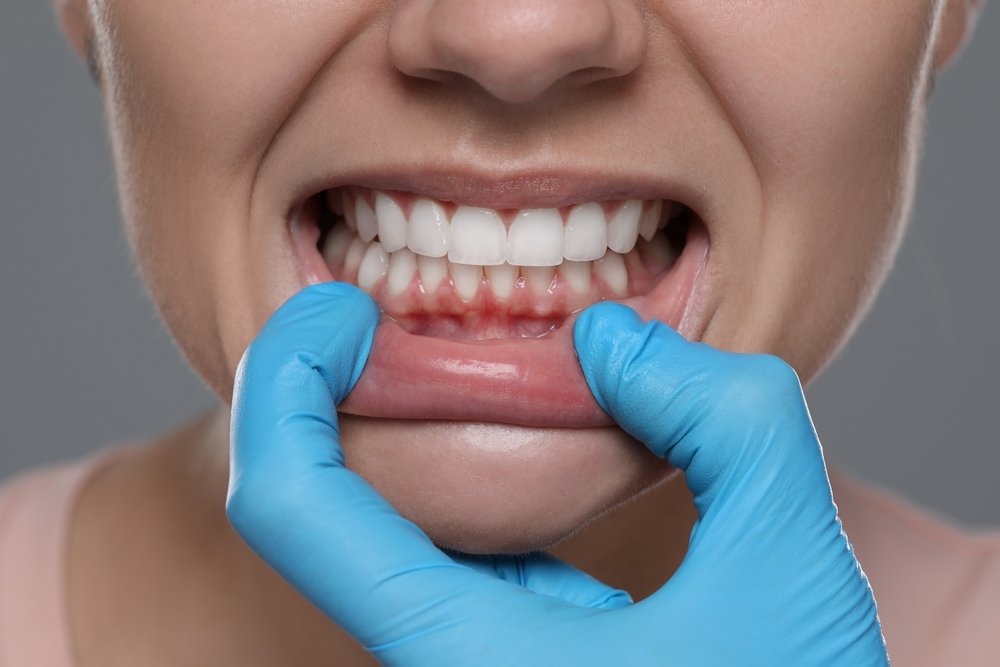
Pediatric dentistry in Tabarbour isn’t just adult dentistry in a smaller chair. It differs in three ways: baby teeth themselves are different, a growing mouth changes what needs treating and what just needs watching, and you’re dealing with a child who may be sitting in a dental chair for the very first time.
That last part matters most. A child’s first visit shapes how they feel about the dentist for years. A child whose first visit was calm and painless comes back without a fuss. A child whose first visit was a painful emergency may grow up afraid and put off dental care for a long time.
At Zoom Dental Clinic, pediatric dentistry in Tabarbour is about prevention first: regular check-ups, fluoride, fissure sealants, and teaching kids to brush properly in a way they understand. We want treatment to be the exception, and we want your child to leave relaxed, not scared.
We see children from their very first tooth and keep those early visits calm and friendly. As your child reaches the mixed-teeth stage, we check early whether orthodontics in Tabarbour might be needed, and we only use a panoramic X-ray when there’s a reason to. You can also read parents’ reviews and book through the clinic’s page on ClinicsJo.
The first visit should be early, once the first baby teeth come through, and it should be a get-to-know-you visit with no pain and no procedures. The aim is for your child to feel at home at the clinic before they ever need treatment.
After that, a check-up about every six months lets us keep an eye on decay, growth and the order teeth come in.
Book straight away if you notice white or brown patches on your child’s teeth, complaints of pain or sensitivity, swelling in the gum or face, a chipped or knocked-out tooth after a fall, or teeth that are clearly late coming through.
It’s also worth coming in if you notice habits that affect the jaws, such as thumb sucking or using a dummy beyond the usual age, breathing through the mouth, or pushing the tongue against the front teeth. These habits change the shape of the jaw and the bite, and they’re much easier to deal with early.
And as your child reaches the mixed-teeth stage, an early orthodontic check helps spot growth and space problems before all the adult teeth are in.
Kids don’t always explain tooth pain clearly, and some hide it because they’re worried about going to the dentist. So what you notice matters:
Chalky white spots near the gum line. This is the earliest sign of decay, and at this stage it can often be stopped if it’s caught early.
Brown or black spots, or a visible hole in a tooth.
Chewing on one side only, or suddenly refusing cold or sweet foods they used to love.
Changes in appetite, refusing food, or restless nights with no obvious reason.
A swollen gum, a small pimple-like bump near a tooth, or a swollen cheek.
Bad breath that doesn’t go away even with regular brushing.
And don’t wait for your child to complain. A lot of childhood decay grows without pain until it’s quite advanced, and it’s usually found at a routine check-up rather than an emergency visit.
Preventive care such as check-ups, fluoride and fissure sealants doesn’t hurt at all and needs no anaesthetic. Those are exactly the things we want a child’s first experiences with us to be.
If a tooth does need treatment for decay, we use local anaesthetic so your child doesn’t feel pain. We explain each step before we do it, in simple words, and we go at their pace with no surprises.
The hardest part of treating children usually isn’t pain, it’s nerves. Kids pick up on the tension of the adults around them more than on the treatment itself.
So here’s a tip for parents: avoid saying things like “don’t be scared”, “it won’t hurt” or “there’s no needle”. They plant the idea of fear in the first place, and they can break your child’s trust if things don’t go exactly as promised. Instead, describe the visit as something normal: the dentist is going to count your teeth and check they’re strong. And please never use the dentist as a threat or a punishment.
A routine check-up is short, usually fifteen to thirty minutes. It covers the check, a clean if needed, fluoride, and tips for your child and for you.
Treatment visits vary with the case and the number of teeth, but with children we prefer shorter, more frequent visits over one long one. Kids can only sit still and focus for so long, and pushing past that spoils the whole experience, even if the treatment itself went well.
For a nervous child, the first visit may be just an introduction: sitting in the chair, seeing the instruments, meeting the team. That isn’t wasted time. It makes every visit after it easier.
Morning appointments, or any time your child is rested and not tired or hungry, work best. A tired child finds everything harder.
And keep up the six-monthly check-ups even when nothing seems wrong. That’s what keeps most of your child’s visits about prevention rather than treatment.
These are the simplest and most effective ways to prevent decay. Fluoride strengthens enamel so it stands up better to the acids that cause cavities. Fissure sealants seal the deep grooves on the chewing surfaces of the back teeth, which is where kids get cavities most, because brush bristles can’t reach the bottom of those grooves. Neither hurts, neither needs anaesthetic, and both cost far less than treating the decay they prevent.
In children, X-rays show what a normal check can’t: decay between teeth, where the adult teeth are sitting under the baby teeth, the order they’ll come in, and any tooth that’s stuck or missing altogether. That tells us whether we just need to keep watching or step in early. We only take X-rays when there’s a clinical reason to.
Treating a child well depends on their cooperation as much as on the dentist’s skill. We explain things first in simple words, show the instruments before using them, break the work into short steps, and let your child feel they have a say. That isn’t just being nice; it’s part of the treatment. A relaxed child gets better care and comes back without fear.
Dentist with over 19 years of international experience.
Dr. Yola Kovalenka is a distinguished medical professional in the field of dentistry.
In his practice, Dr. Mohammad Hatamleh combined academic excellence with advanced clinical training.
At Zoom Dental Clinic, every smile is treated with care, precision, and attention to detail. Our dentists provide a wide range of dental services, from preventive care and cosmetic treatments to restorative dentistry and advanced dental solutions.

Early is best: once the first baby teeth appear, as a relaxed first visit with no pain and no treatment. It helps your child build a good relationship with the dentist before they ever need anything done, lets us check for early risks, and gives you tips on cleaning their teeth at their age. The worst possible start is a painful emergency visit.
Talk about it as something normal and positive, like “the dentist is going to count your teeth and check they’re strong”. Avoid words like pain, needle or drill, and skip reassurances such as “don’t be scared” or “it won’t hurt”, which only plant the idea of fear. Don’t share your own bad dental stories. Pick a time when they’re rested and not hungry, and never use the dentist as a threat or punishment.
Yes, in more than one way. Deep decay can reach the nerve and cause infection or an abscess that affects the adult tooth forming underneath. Losing a baby tooth early also loses the space saved for the adult tooth, so it comes in crowded or in the wrong place. And the same decay bacteria can attack the adult teeth as they come through.
A fissure sealant is a protective coating placed on the chewing surfaces of the back teeth to seal their deep grooves. Those grooves are where children get cavities most, because brush bristles can’t reach the bottom however well your child brushes. It doesn’t hurt, needs no anaesthetic and takes just minutes. It’s usually recommended once the adult back teeth have come through, and your dentist will tell you after a check-up.
Let the team know before the appointment so the visit can be planned around it. We usually start with a get-to-know-you visit with no treatment, then build up step by step, explaining everything first. Try not to pass your own nerves on through your words or your face, and never promise that something won’t happen if it might, because a broken promise costs a lot of trust. A bit of patience in the first few visits saves years of struggle later.
Start as soon as the first tooth appears, using a soft brush made for their age. How much toothpaste to use and which kind depends on their age, and your dentist can tell you what’s right. Most importantly, supervise and help with brushing until your child can do it properly on their own, which happens later than most parents expect.
Why Choose Us
We use modern diagnostic
and treatment technology to support
accurate evaluation, detailed planning,
and precise dental care.
Our dental team provides attentive care,
clear treatment guidance, and
recommendationsbased on each
patient’s individual needs.
Every patient is different. We develop treatment
recommendations around your oral health,
clinical needs, comfort, and treatment goals.
From the first consultation through follow-up
care, we explain each step clearly and work
to create a calm, respectful, and
reassuring experience.
Choosing the right dental service starts with understanding your options. At Zoom Dental Clinic, we focus on clear communication, modern technology, strict sterilization, and treatment recommendations based on each patient’s individual needs.