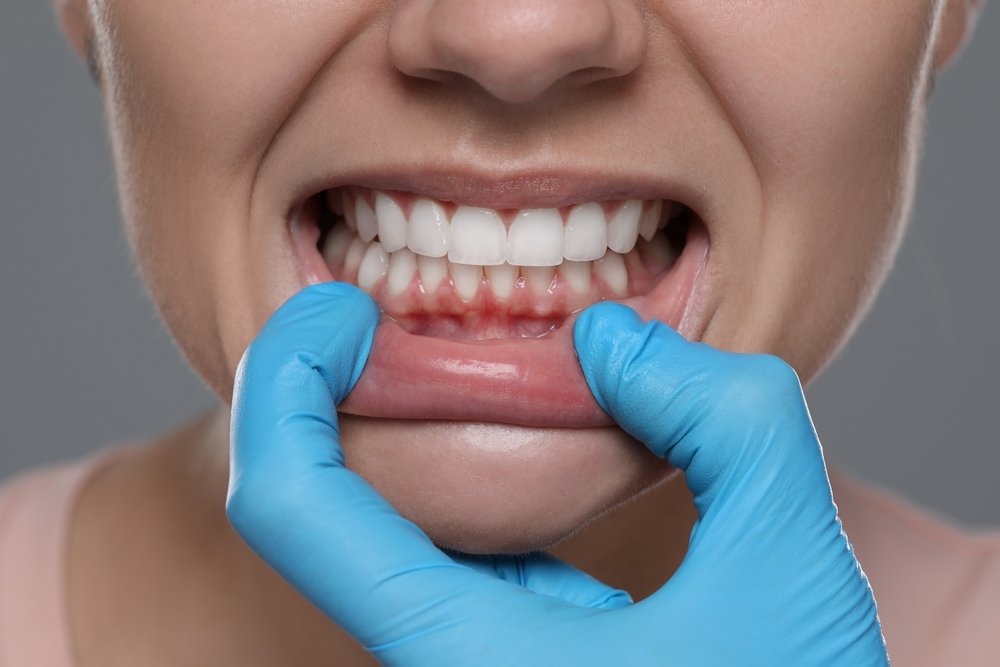
Dental Panoramic X-Ray in Tabarbour

Service overview

A dental panoramic x-ray in Tabarbour is a single digital image that shows both jaws at once: every tooth and its roots, the jawbone, the jaw joints, the sinuses, the wisdom teeth, and any teeth stuck under the gum.

That’s a big difference from a normal check. Looking in your mouth only shows what’s above the gum line, which is less than half the story. What sits below, including roots, bone, silent infections and decay between teeth, only shows up on an X-ray.

Having the panoramic unit in the clinic means your diagnosis is done in the same visit. No referral to an outside imaging centre, no waiting for another appointment, no third trip to bring the images back. Treatment starts sooner, which really matters when you’re in pain.

Digital images can also be zoomed, enhanced and stored in your file, so we can compare them over time and spot changes early. The clinic uses the Italian MyRay digital panoramic system.

Dental panoramic x-ray in Tabarbour, right in the clinic

With a dental panoramic x-ray in Tabarbour available inside Zoom Dental Clinic, your diagnosis is done in one visit. It’s the first step when planning dental implants in Tabarbour and before starting orthodontic treatment. You can also book and read patient reviews on the clinic’s ClinicsJo page.

الأشعة البانورامية للأسنان في طبربور | Dental panoramic x-ray in Tabarbour

When Is This Service Needed?

We use a panoramic X-ray when planning dental implants, to check bone density and height and to map the nerves and sinuses before deciding exactly where the implant goes and at what angle.

Before braces, to see how the roots are angled, where the wisdom teeth are, whether any teeth are stuck, and how much bone there is. That shapes the whole treatment plan.

When looking at a wisdom tooth: is it impacted, which way is it pointing, and how close is it to the nerve in the lower jaw? That comes before any decision to take it out.

When you have toothache but can’t tell which tooth it’s coming from, and a normal check doesn’t find the cause.

Before crowns or bridges, to make sure the root and bone are healthy, with no infection at the tip of the root and no failed old root canal.

And when assessing gum disease to see how much bone is left, after a knock or accident to rule out a broken tooth or jaw, and when following how a child’s teeth are developing if there’s a reason to.

Symptoms and Warning Signs

Some situations tell us a normal check won’t be enough and an X-ray is needed:

Pain you can’t pin down, or pain that spreads to your ear, jaw or head with no obvious tooth to blame.

Swelling in your gum or face that keeps coming back with no clear cause.

Pain around the wisdom teeth, or pressure and a full feeling at the back of the jaw.

Clicking or pain in the jaw joint when you open and close your mouth.

A loose tooth without obvious gum problems, or a change in how your teeth meet.

A child’s tooth coming in much later than the same tooth on the other side.

A tooth that had a root canal and still bothers you now and then.

And finally: many years without any X-ray at all, even if you have no symptoms. Plenty of infections at the root tips grow silently and are only found by chance on an X-ray taken for something else.

Is the Treatment Painful?

A panoramic X-ray doesn’t hurt at all, and nothing touches your teeth or gums.

You stand at the machine, bite gently on a small positioning piece, and the machine slowly moves around your head to take the image. All you have to do is stay still for a few seconds, because moving blurs the picture and we’d have to take it again.

The only slightly awkward part for some people is keeping still for those few seconds. Children may need a little encouragement.

Before the scan you’ll be asked to take off any metal around your head and neck, such as earrings, necklaces, hair clips and removable dentures, because metal shows up on the image and hides what’s behind it.

If you’re pregnant or think you might be, tell the team before the scan so the right decision can be made for you.

Appointment and Treatment Duration

The scan itself is very quick. The machine moves around your head in seconds, and the whole thing, including taking off metal and getting positioned, usually takes just a few minutes.

The digital image appears on screen straight away, so your dentist can go through it with you there and then and move straight on to your treatment plan.

That’s more useful than it sounds. The traditional way means a clinic visit, then a trip to an imaging centre, then a third visit to bring the images back. With the X-ray in the clinic, diagnosis and planning happen in one visit.

The image is saved in your digital file, so we can compare it with future images and track changes in bone levels or any condition over the years.

You can always ask for a copy to keep, or to show another dentist if you’d like a second opinion.

MyRay Digital Panoramic System

The clinic uses the Italian MyRay system to capture both jaws and all the teeth in one exposure, at a low radiation dose and with high clarity. The image appears on screen straight away, so your dentist can explain it to you there and then and move straight to planning, instead of sending you back and forth to an imaging centre.

Digital Image Archive

Keeping images in a digital file lets us compare your mouth over the years. Has the bone level changed? Is a silent cavity developing? Has something we were watching stayed stable? No single image can tell you that, however clear it is, and it’s how slow changes are caught before they become problems.

Magna Dental Microscope

X-rays and the microscope work together; neither replaces the other. X-rays show what’s under the surface, like bone, roots and the spaces between teeth, while the microscope shows fine detail on and inside the tooth during treatment. Using both gives a much fuller picture, both before the diagnosis and during the work.

Dr. Mutasem Irdaisat

Dentist with over 19 years of international experience.

Dr. Yola Kovalenko

Dr. Yola Kovalenka is a distinguished medical professional in the field of dentistry.

Dr. Mohammad Hatamleh

In his practice, Dr. Mohammad Hatamleh combined academic excellence with advanced clinical training.

The Experts Behind
Every Smile

At Zoom Dental Clinic, every smile is treated with care, precision, and attention to detail. Our dentists provide a wide range of dental services, from preventive care and cosmetic treatments to restorative dentistry and advanced dental solutions.

Frequently Asked Questions

What's the difference between a panoramic X-ray and a regular dental X-ray?

A regular X-ray taken inside the mouth shows one or a few teeth in fine detail, and it’s used to check a specific tooth or decay between teeth. A panoramic X-ray shows both jaws in one image with less detail per tooth, but it gives the big picture: wisdom teeth, stuck teeth, bone levels and the jaw joints. Each has its uses, and sometimes your dentist will need both.

How often do I need a panoramic X-ray?

There’s no fixed schedule for everyone. We take one when there’s a clinical reason and the information will affect your treatment, such as planning implants or braces, unexplained pain, checking a wisdom tooth, or following up an existing problem. How long to leave between X-rays depends on your mouth and your risk factors.

Can I have a dental X-ray while pregnant?

Always tell the team if you’re pregnant, or even if you think you might be, before any X-ray. X-rays that aren’t essential are usually postponed, and in an emergency your dentist will weigh up the need against caution. The simple rule: always mention it, and never assume it doesn’t matter.

Do X-rays show every dental problem?

No. X-rays add to the examination; they don’t replace it. Some problems don’t show up well on an image, such as tiny cracks, very early decay and some gum and soft-tissue issues. That’s why a proper examination still matters, and an accurate diagnosis comes from putting together what the dentist sees, what the X-ray shows and what you tell us.

Can I get a copy of my X-ray?

Yes, you can always ask for a copy. Your images are stored digitally in your file, which is handy if you want a second opinion or are seeing a specialist. Keeping old X-rays is also useful for comparing later on, and that information can’t be recovered once it’s lost.

Why do I need an X-ray before an implant?

Because the whole implant plan depends on things you can’t see in a normal check: how dense, tall and wide the bone is, where the nerve runs in the lower jaw, and where the sinus sits in the upper jaw. That tells us whether an implant can go in straight away or needs a bone graft or sinus lift first, and it decides the size and angle of the implant. Starting without it isn’t planning; it’s guessing.

Why Choose Zoom Dental Clinic ?

Why Choose Us

Modern Dental Technology

We use modern diagnostic
and treatment technology to support
accurate evaluation, detailed planning,
and precise dental care.

Experienced Dentists

Our dental team provides attentive care,
clear treatment guidance, and
recommendationsbased on each
patient’s individual needs.

Personalized Treatment

Every patient is different. We develop treatment
recommendations around your oral health,
clinical needs, comfort, and treatment goals.

Patient Comfort

From the first consultation through follow-up
care, we explain each step clearly and work
to create a calm, respectful, and
reassuring experience.

pain-free
Experience

4.9/5

Why Patients Choose Our Dental Services?

Choosing the right dental service starts with understanding your options. At Zoom Dental Clinic, we focus on clear communication, modern technology, strict sterilization, and treatment recommendations based on each patient’s individual needs.

Book Your Visit
AR