Dental crowns and veneers in Tabarbour

Service overview

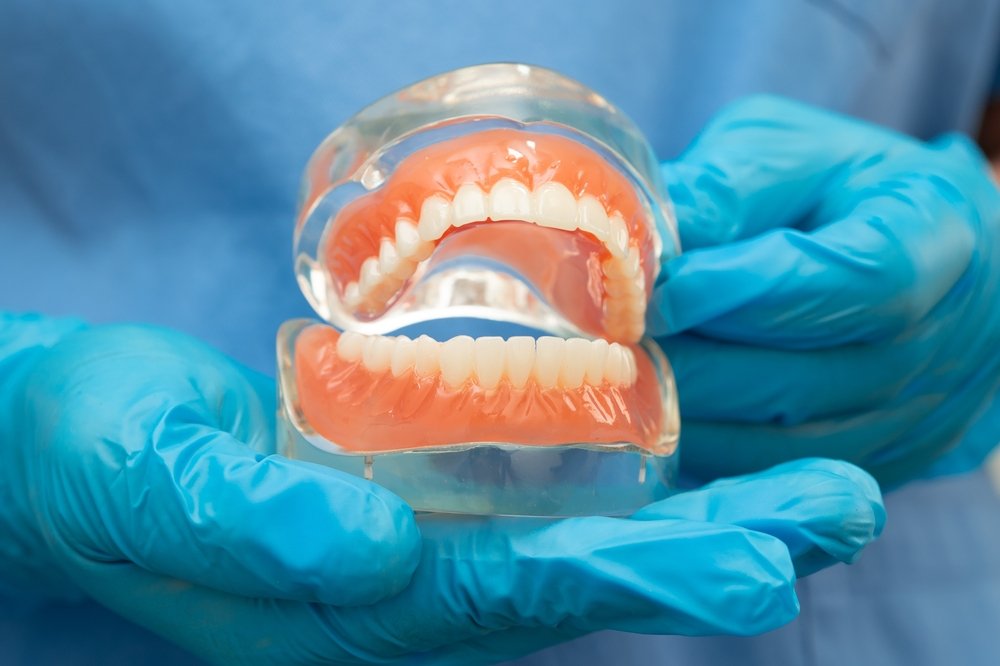
Dental prosthetics covers a group of restorative solutions — crowns, bridges and veneers — used to return a damaged tooth to full function and appearance, replace a missing tooth, or improve the look of the front teeth.

The difference between them is not cosmetic detail. A crown covers the tooth completely and protects it from fracture; it is the solution when a tooth has lost a substantial amount of its structure. A bridge replaces a missing tooth by drawing support from the teeth on either side. A veneer is a thin layer bonded to the front surface to improve colour and shape, and is not a restorative solution for a severely damaged tooth.

Choosing between Dental crowns and veneers in Tabarbour should start from how much healthy tooth structure remains and how your bite functions, not from a desired outcome. The wrong choice does not reveal itself immediately — it shows months later as a fracture, persistent sensitivity, or gum inflammation at the restoration margin.

When Is This Service Needed?

A crown becomes necessary after root canal treatment on back teeth, where there is a large fracture or extensive decay that a filling cannot support, where severe wear has changed the tooth’s shape and height, and sometimes to protect a cracked tooth from fracturing completely.

A bridge becomes relevant when one or more teeth are missing and the adjacent teeth are sound and able to carry the load — particularly if those teeth need crowns anyway, in which case a bridge becomes a logical choice both clinically and financially.

Veneers suit discolouration that does not respond to whitening, minor chips on a front tooth edge, small gaps between front teeth, or inconsistencies in shape and size.

And a candid point: veneers are not the answer to every cosmetic concern. In many cases whitening, orthodontics or a simple composite restoration is the more appropriate and far less invasive option. Any clinic offering veneers as the first solution to every aesthetic complaint is not diagnosing — it is selling.

Symptoms and Warning Signs

Certain indicators show a tooth needs coverage or restoration before the situation worsens:

Pain when biting on a particular tooth with no obvious cause, especially if the pain appears on releasing pressure rather than applying it — a common sign of a crack.

Increasing sensitivity in a tooth previously restored with a large filling, or feeling a sharp edge or roughness when you run your tongue over it.

A filling that keeps coming out of the same tooth, which indicates the remaining structure can no longer support one.

Noticeable discolouration in a single tooth compared with its neighbours, particularly after root canal treatment or a past injury.

A visible chip on a front tooth edge, or gum recession at the margin of an older restoration with discolouration or a dark line appearing at the edge.

And finally: difficulty chewing after losing a tooth, with the neighbouring teeth beginning to tilt into the gap.

Is the Treatment Painful?

Preparing a tooth for a crown or veneer is done under local anaesthesia, so you feel no pain during the work. What you notice is pressure, vibration and the sound of the handpiece more than anything else.

Once the anaesthetic wears off, sensitivity to hot and cold for a few days is normal, particularly in vital teeth that have not had root canal treatment. This eases gradually and usually resolves within one to two weeks.

While the final restoration is being made, a temporary is fitted. You may notice slightly more sensitivity with it because it does not seal the tooth as completely — this is expected and does not indicate a problem.

When the final restoration is fitted, the bite is carefully adjusted. If you feel that tooth contacting before the others or that biting feels uneven, tell the dentist immediately — the adjustment is quick and simple, and ignoring it causes persistent discomfort and may fracture the restoration later.

Appointment and Treatment Duration

Prosthetic work usually requires two visits. The first covers preparation, taking an impression or digital scan, and fitting a temporary — generally one to two hours depending on the number of teeth. The second is for fitting the final restoration and adjusting the bite, and is considerably shorter.

The interval between visits depends on laboratory fabrication time, typically ranging from a few days to two weeks.

Some cases need additional visits: where root canal or gum treatment is required before preparation, or where shape and shade are trialled before final bonding in front-tooth cosmetic cases. That extra visit for anterior work is not a luxury — adjusting before bonding is far easier than adjusting after.

An important note: a temporary restoration is not designed for long-term use. Leaving it for weeks or months exposes the tooth to leakage and decay and allows neighbouring teeth to shift, so the final restoration no longer fits. Keep the fitting appointment.

Magna Dental Microscope

The accuracy of a restoration margin at the gum line determines how long it lasts. A poorly fitting margin allows bacterial leakage, causing decay beneath the crown and inflammation in the surrounding gum. Working under magnification allows more precise tooth preparation and a better margin fit — a difference that does not show on day one, but shows across years in the restoration’s lifespan.

Digital Panoramic X-Ray

Before placing a crown or bridge, the root and supporting bone must be confirmed sound, with no infection at the root tip and no failed previous root canal treatment. Placing a restoration over a tooth that is compromised internally means redoing the entire work months later. Imaging reveals what clinical examination cannot and establishes whether the case needs treatment first.

Modern Ceramic and Zirconia Materials

Material choice depends on the tooth’s position and function. Zirconia offers high strength suited to back teeth carrying full chewing force, while modern ceramics provide light transmission closer to natural enamel and suit the anterior region. Matching material to position correctly is what allows a restoration to be both durable and natural-looking at the same time.

Dr. Mutasem Irdaisat

Dentist with over 19 years of international experience.

Dr. Yola Kovalenko

Dr. Yola Kovalenka is a distinguished medical professional in the field of dentistry.

Dr. Mohammad Hatamleh

In his practice, Dr. Mohammad Hatamleh combined academic excellence with advanced clinical training.

The Experts Behind
Every Smile

At Zoom Dental Clinic, every smile is treated with care, precision, and attention to detail. Our dentists provide a wide range of dental services, from preventive care and cosmetic treatments to restorative dentistry and advanced dental solutions.
Frequently Asked Questions

How long do dental crowns and bridges last?

Lifespan depends on four factors: the precision of tooth preparation and margin fit, the material used, the bite and how chewing force is distributed, and daily oral hygiene. A well-executed and well-maintained restoration lasts many years. What shortens it most: decay starting at the restoration margin, untreated teeth grinding, and neglected cleaning at the gum line specifically.

Is a bridge or an implant better for replacing a missing tooth?

An implant is functionally superior because it replaces the root, preserves bone and requires no reduction of the adjacent teeth. But a bridge remains a sensible choice in specific situations: when the adjacent teeth need crowns anyway, when bone volume or medical circumstances rule out surgery, or when time is a decisive factor. The decision is based on your specific case after examination and imaging, not on a general rule.

Do veneers require reducing the tooth?

Yes, most porcelain veneers require removing a thin layer from the tooth surface to create space for the veneer and to ensure a natural, non-bulky result. That layer does not grow back, which makes the decision effectively irreversible. Some limited cases suit ultra-thin veneers with minimal preparation, but that depends on the tooth’s existing shape and shade and on the bite, and it is determined by examination rather than preference.

Can crowns and veneers be whitened later?

No. Restorative materials do not respond to whitening, so their shade stays as it is while the surrounding natural teeth lighten. That is why whitening should be done first if you want it, allowing the shade to stabilise, and the restoration shade then selected to match. Reversing that order leaves a colour mismatch that cannot be corrected without remaking the restoration.

Will I have sensitivity after a crown is fitted?

Mild sensitivity to hot and cold for a few days is expected, particularly in vital teeth, and eases over one to two weeks. Severe or persistent sensitivity beyond that, or pain when biting, is not normal and may indicate a bite that needs adjusting or pulp inflammation. Contact the clinic rather than waiting — an early adjustment prevents a larger problem.

How do I care for restorations so they last longer?

Clean at the gum line specifically, since that is where decay under a restoration begins. Use floss or an interdental brush daily, and a bridge threader to clean beneath the replaced section. Avoid using your teeth to open packaging or crack hard items. If you grind at night, a night guard is not optional — it is a condition of the restoration surviving. And a check-up every six months catches any leakage early.

Why Choose Zoom Dental Clinic ?

Why Choose Us

Modern Dental Technology

We use modern diagnostic
and treatment technology to support
accurate evaluation, detailed planning,
and precise dental care.

Experienced Dentists

Our dental team provides attentive care,
clear treatment guidance, and
recommendationsbased on each
patient’s individual needs.

Personalized Treatment

Every patient is different. We develop treatment
recommendations around your oral health,
clinical needs, comfort, and treatment goals.

Patient Comfort

From the first consultation through follow-up
care, we explain each step clearly and work
to create a calm, respectful, and
reassuring experience.

pain-free
Experience

4.9/5

Why Patients Choose Our Dental Services?

Choosing the right dental service starts with understanding your options. At Zoom Dental Clinic, we focus on clear communication, modern technology, strict sterilization, and treatment recommendations based on each patient’s individual needs.

Book Your Visit
AR