Address
Tabarbour, Amman, Jordan
Work Hours
Saturday – Wednesday:
10:00 AM – 8:00 PM
Thursday:
10:00 AM – 6:00 PM
Address
Tabarbour, Amman, Jordan
Work Hours
Saturday – Wednesday:
10:00 AM – 8:00 PM
Thursday:
10:00 AM – 6:00 PM
Veneers are among the most requested cosmetic dental treatments today, and among the most misunderstood. Some people imagine them as a universal fix for any aesthetic complaint; others avoid them entirely because of stories they have heard without the details. The truth sits in between: a veneer is an excellent solution for specific cases, and completely the wrong choice for others.
This guide explains dental veneers in Tabarbour the way they are explained in the clinic rather than in an advert: what a veneer actually is, how it differs from a crown, whitening and orthodontics, the material options (E.max, zirconia and composite), who is a suitable candidate and who is not, the stages step by step, and what drives the cost. You will also find real before-and-after cases from the clinic.
What’s in this guide
A veneer is a very thin shell, fabricated in a laboratory and bonded to the front surface of a tooth to change its colour, shape and size. Its thickness is measured in fractions of a millimetre, and it covers only the visible face of the tooth, not the whole tooth.
The first point that needs to be clear: a veneer is not a treatment, it is an improvement to the appearance of a structurally sound tooth. It does not strengthen a weak tooth, protect a cracked one, or treat decay. If a tooth is genuinely damaged, the answer is a crown rather than a veneer, and we will explain that distinction shortly.
The second point matters even more: most veneers require removing a thin layer of enamel to create space for the shell. That layer does not grow back. Which means the decision is effectively irreversible, a tooth prepared for a veneer will need permanent coverage for life. For exactly that reason, veneers deserve careful diagnosis and an unhurried conversation, not a quick decision in a single appointment under the influence of impressive result photos.
Many patients arrive asking for veneers directly, when their case would be solved by something simpler, less invasive and less expensive. This comparison shows when each option is the right one:
| If the concern is | The usual best solution | Tooth reduction needed? |
|---|---|---|
| General yellowing | Whitening | No |
| Crowding or tilted teeth | Orthodontics | No |
| Small chip on a front tooth | Composite bonding or veneer | Depends |
| Staining that resists whitening | Veneer | Yes |
| Small gaps between front teeth | Veneer or orthodontics | Depends |
| Uneven tooth shape or size | Veneer | Yes |
| Tooth that lost significant structure | Crown | Yes, more |
| Back tooth after root canal treatment | Crown | Yes, more |
The fundamental difference between a veneer and a crown: a veneer covers only the front face and is a cosmetic solution for a sound tooth, while a crown covers the tooth on all sides and is a restorative solution protecting a tooth that has lost significant structure. Placing a veneer on a tooth that needs a crown means a likely fracture before long. For the full range of restorative options, see the dental crowns and veneers in Tabarbour page.
Before the detail, one very common confusion needs correcting: E.max and zirconia are not alternatives to veneers, they are materials veneers are made from. So asking “veneers or E.max?” is an incomplete question. The correct question is “E.max veneers or zirconia veneers?”
E.max is a glass ceramic with light transmission very close to natural enamel. That translucency is why its result looks natural in the front of the mouth more than any other material, light passes through it the way it passes through a real tooth, so it does not appear flat or artificial under direct lighting. This makes it the first choice for anterior cosmetic cases where a natural appearance is the priority.
Zirconia is notably strong and better able to withstand chewing forces. Its translucency is lower than E.max, though advances in outer layering have improved its appearance considerably. It becomes the preferred option where higher strength is required, such as with bruxism or a heavy bite, or where the underlying tooth is very dark and needs greater masking, which translucent E.max cannot provide as effectively.
These are built directly in the mouth in a single appointment, with no laboratory stage. The advantages are lower cost, less intervention, easy repair and adjustment, and in some cases almost no tooth reduction. The trade-offs are a shorter lifespan, greater susceptibility to staining over time, and lower fracture resistance. Composite makes sense for limited corrections, or for someone who wants to trial a shape before committing to a permanent solution.
| Factor | E.max | Zirconia | Composite |
|---|---|---|---|
| Natural appearance | Best | Very good | Good |
| Strength | High | Highest | Lowest |
| Masking a dark tooth | Limited | Excellent | Limited |
| Stain resistance | High | High | Lower |
| Number of visits | Two or more | Two or more | Usually one |
| Repairability | Replaced | Replaced | Repairable |
| Best suited to | Front teeth | Heavy bites, dark teeth | Limited corrections |
The practical conclusion: no material is universally “better”. E.max wins on naturalness, zirconia on strength and masking, composite on cost and flexibility. The decision rests on three things: the shade of your existing teeth, the force of your bite and whether you grind, and the aesthetic result you want. Any clinic recommending one material to every patient without examination is applying a routine, not diagnosing.
Which option suits your case?
Book an assessment at Zoom Dental Clinic in Tabarbour and get a recommendation based on an examination of your tooth shade and bite, not on a price list.
That last point is precisely what distinguishes a clinic that diagnoses from one that sells. If your case would be solved by whitening or a simple composite restoration, you are entitled to know that before paying for something larger than you need, and entitled to know that the veneer decision cannot be undone.
This begins with a clinical examination of the teeth, gums and bite, with imaging where needed to confirm the roots and supporting bone are sound. Your goals are discussed clearly at this stage: what specifically bothers you about your smile right now? The answer determines whether a veneer is the solution or whether something else fits better.
The design is not built around someone else’s photograph but around your own features: face shape, smile line, where the upper lip sits when you laugh, and skin tone. Tooth shape, length and shade are decided here, the stage at which you have the most flexibility to adjust. Use it.
Carried out under local anaesthesia, removing a very thin layer from the front surface to create space for the shell. How much is removed depends on the material and the position of the existing tooth. The aim is always the least intervention that still produces a non-bulky result, because a veneer bonded over an unprepared tooth looks thick and unnatural.
A precise impression or digital scan is sent to the laboratory, and temporary shells are fitted to protect the prepared teeth and give you an initial sense of the final shape. Temporaries matter for a reason that is rarely mentioned: they are your chance to notice whether the length or shape needs adjusting, before the final shells are fabricated.
The final veneers are tried on the teeth before permanent bonding, to assess shade, shape and harmony with the lip and gum line. This step is not a luxury: adjusting before bonding is straightforward, while adjusting afterwards means remaking. If something does not look right to you, this is the moment to say so.
The shells are bonded with dedicated light-cured adhesives, then the bite is carefully adjusted and the margins polished. Bite adjustment is critical here: any uneven loading on an anterior shell causes a fracture later. If biting feels uneven after the appointment, tell your dentist straight away.
A short-interval review assesses gum response and bite comfort, then the veneers are monitored within your routine check-ups. The shells themselves cannot decay, but the tooth beneath and the gum around them are just as vulnerable as any other tooth.
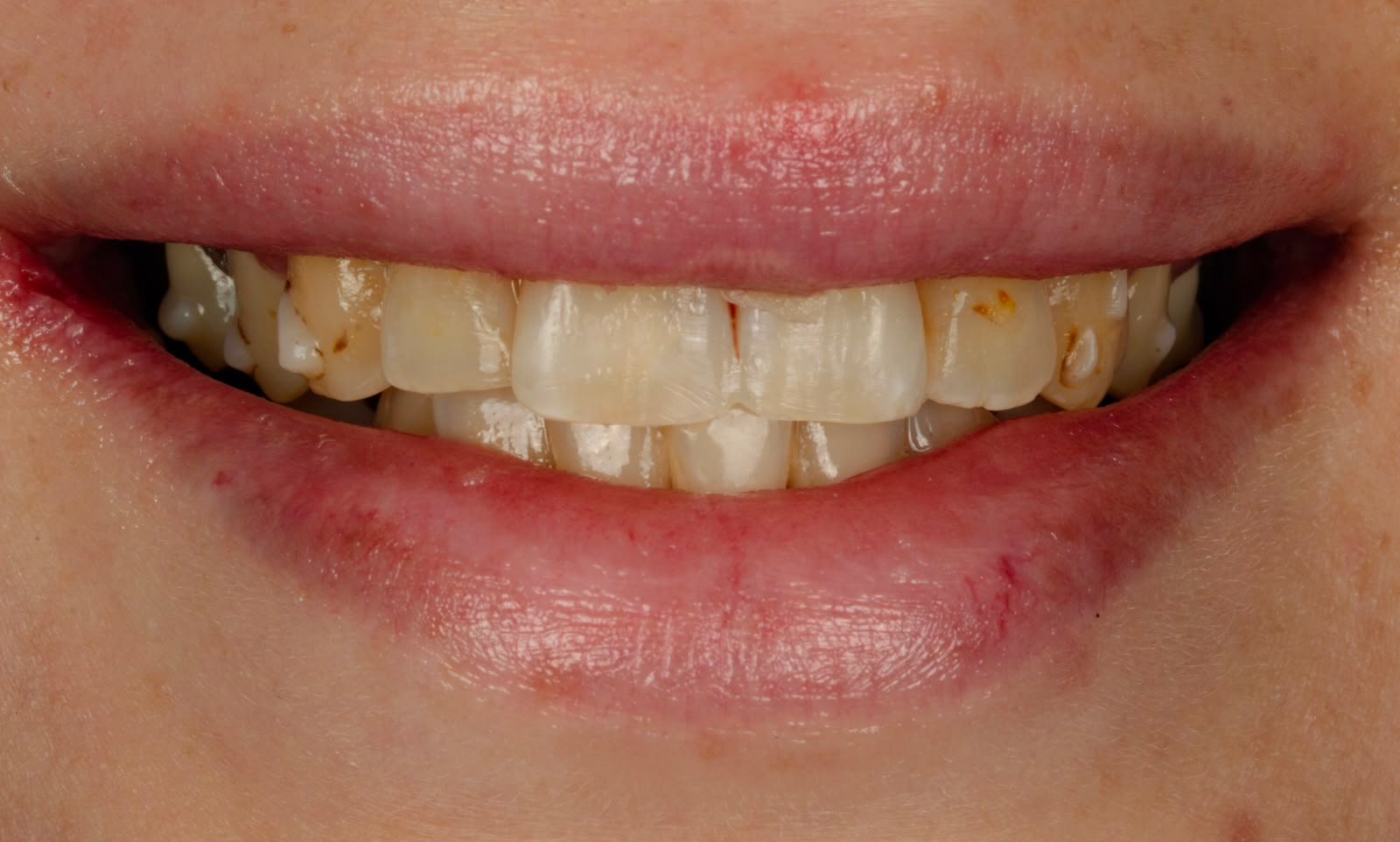
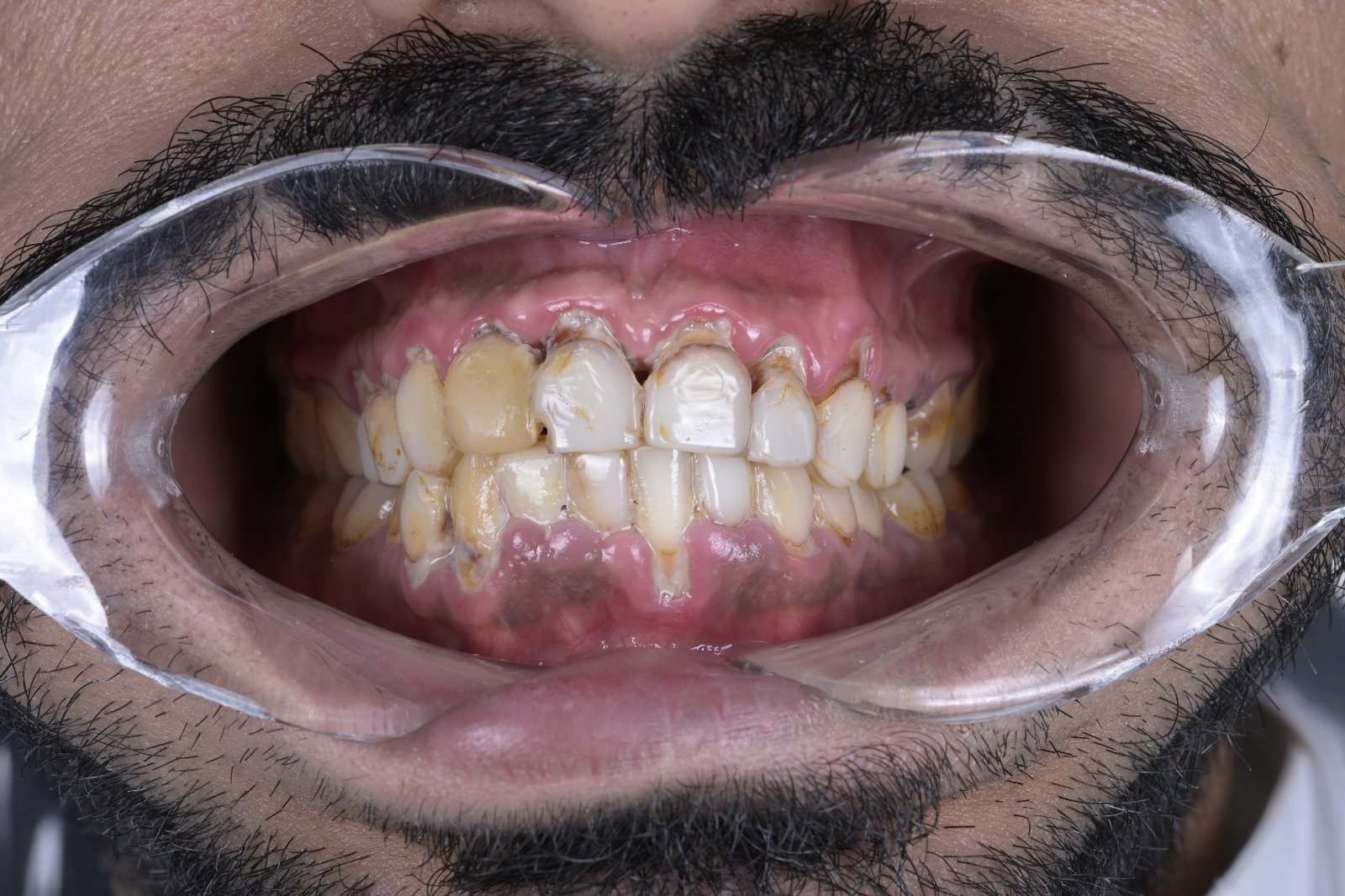
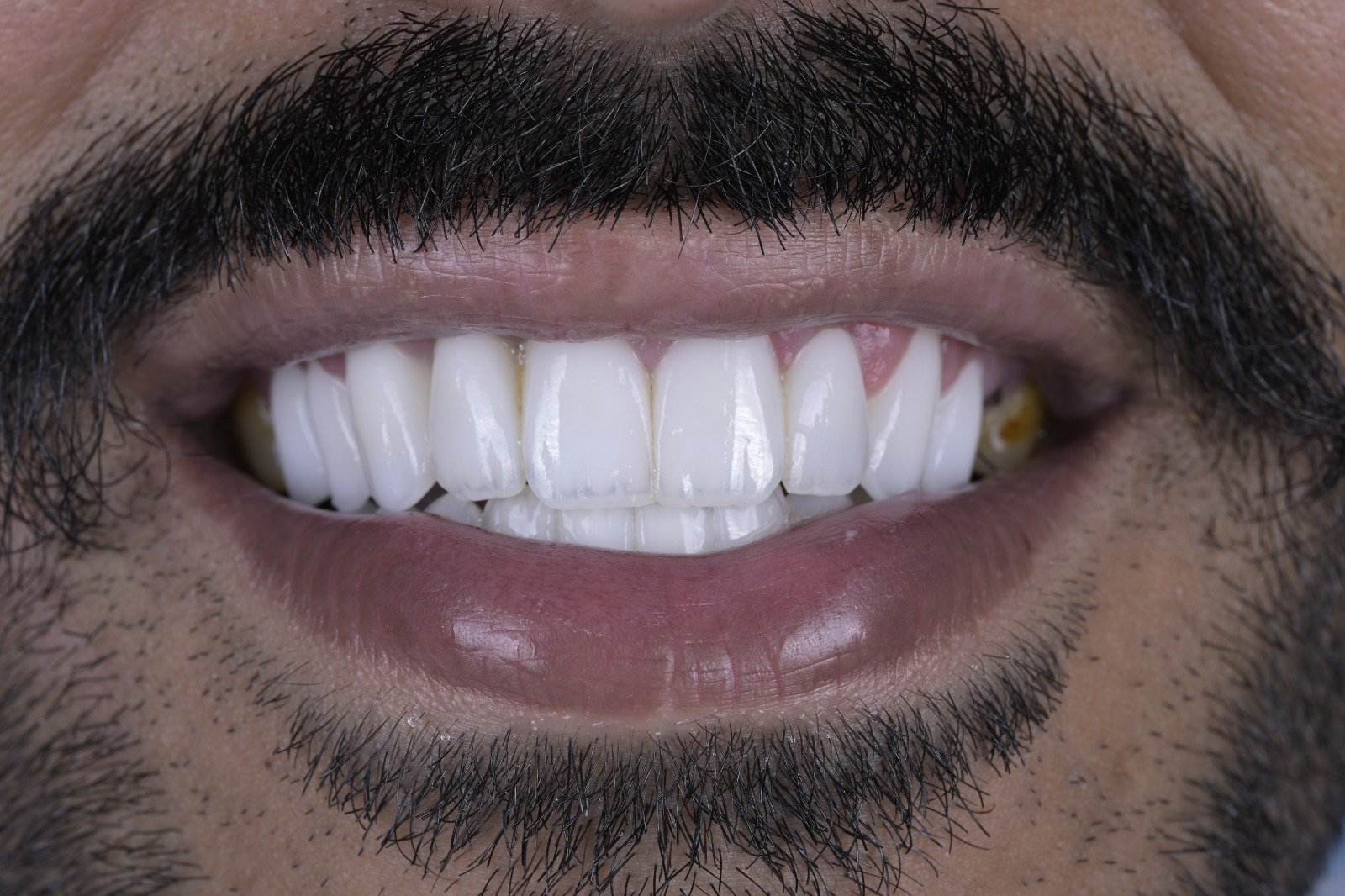
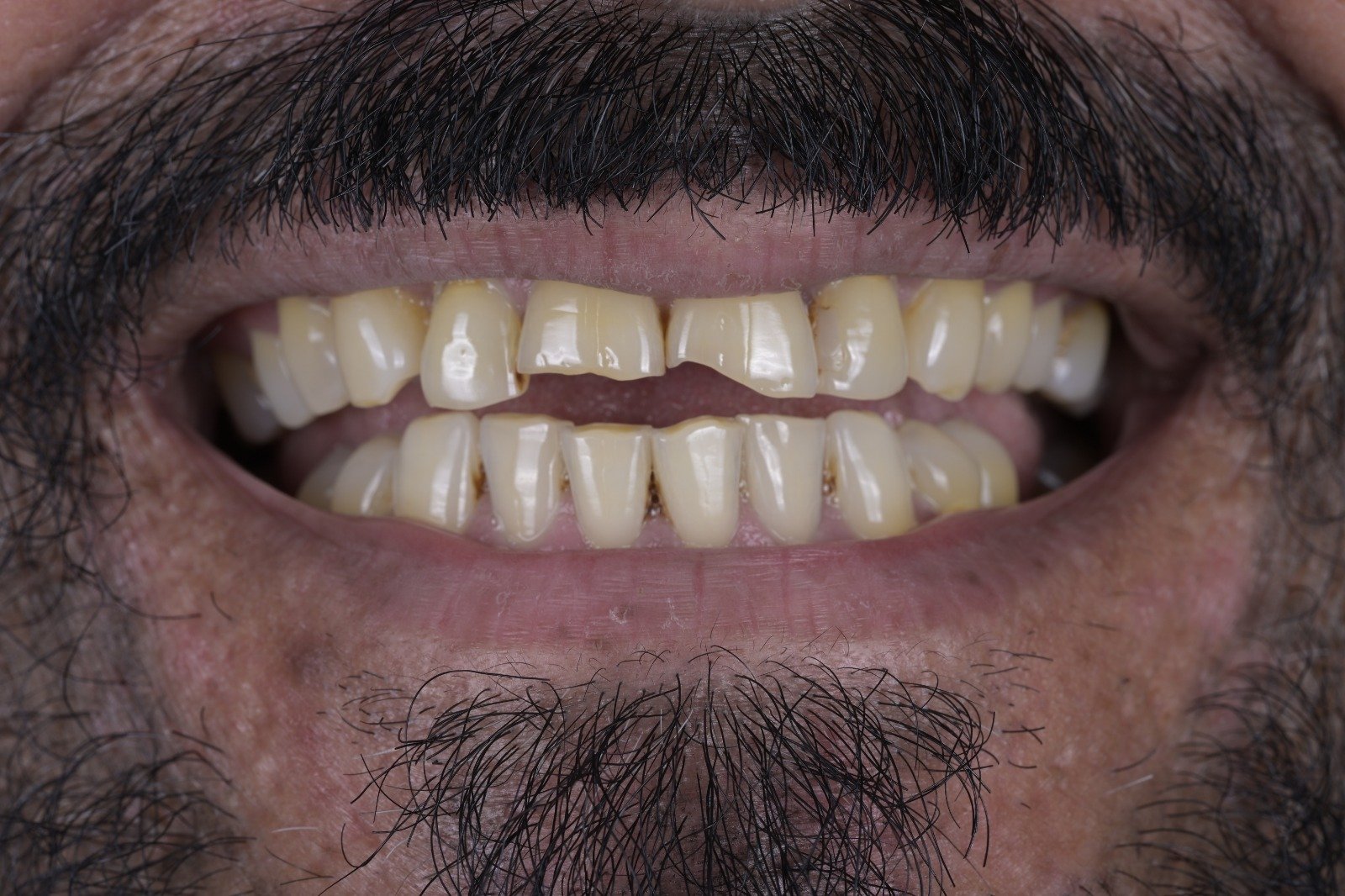
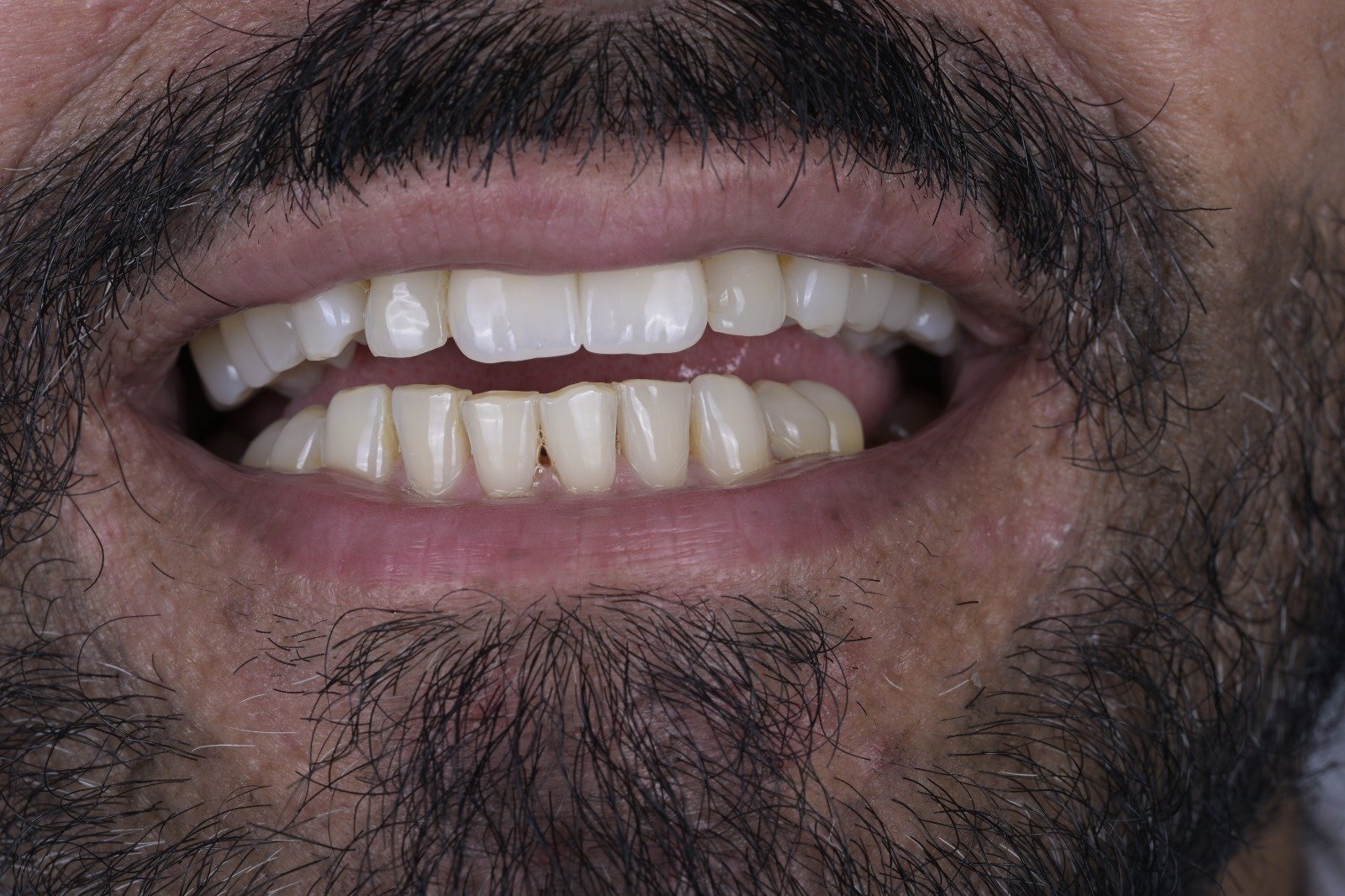
The images below are from actual cases treated at Zoom Dental Clinic in Tabarbour. Results vary from case to case depending on the starting condition of the teeth, gums and bite, these photographs are illustrative rather than a promise of an identical outcome.
Before treatment
After treatment
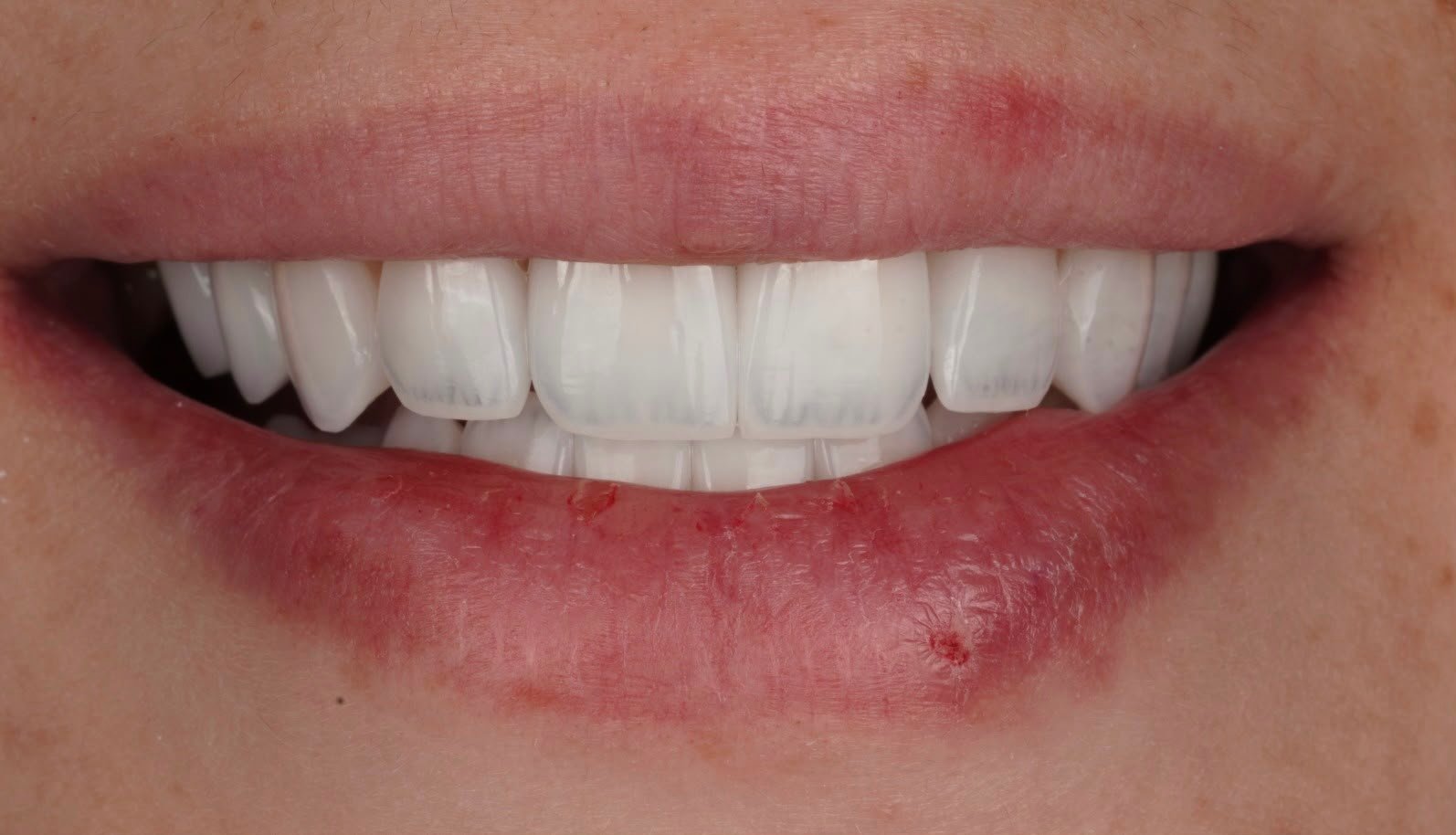
Before treatment
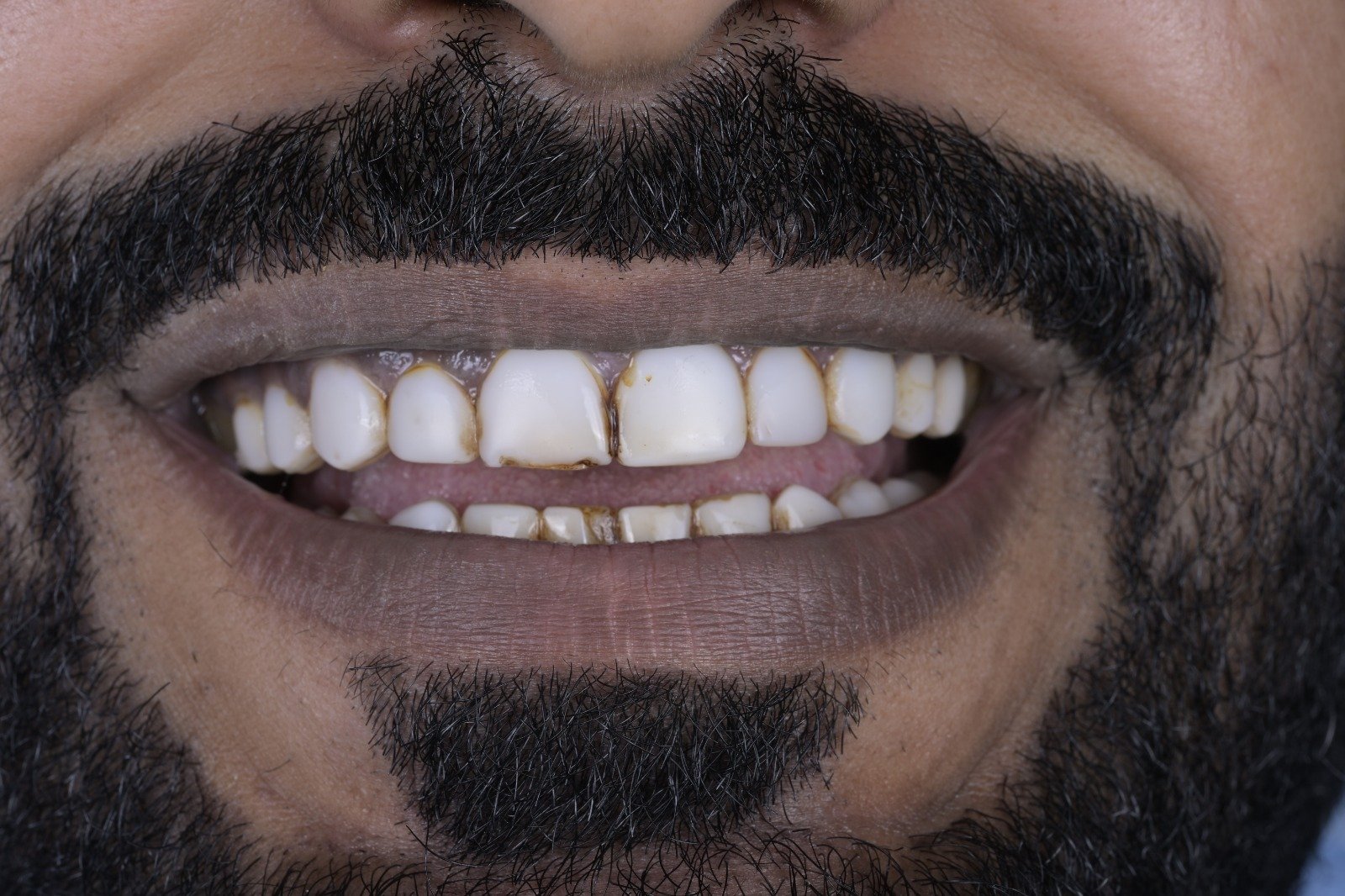
After treatment
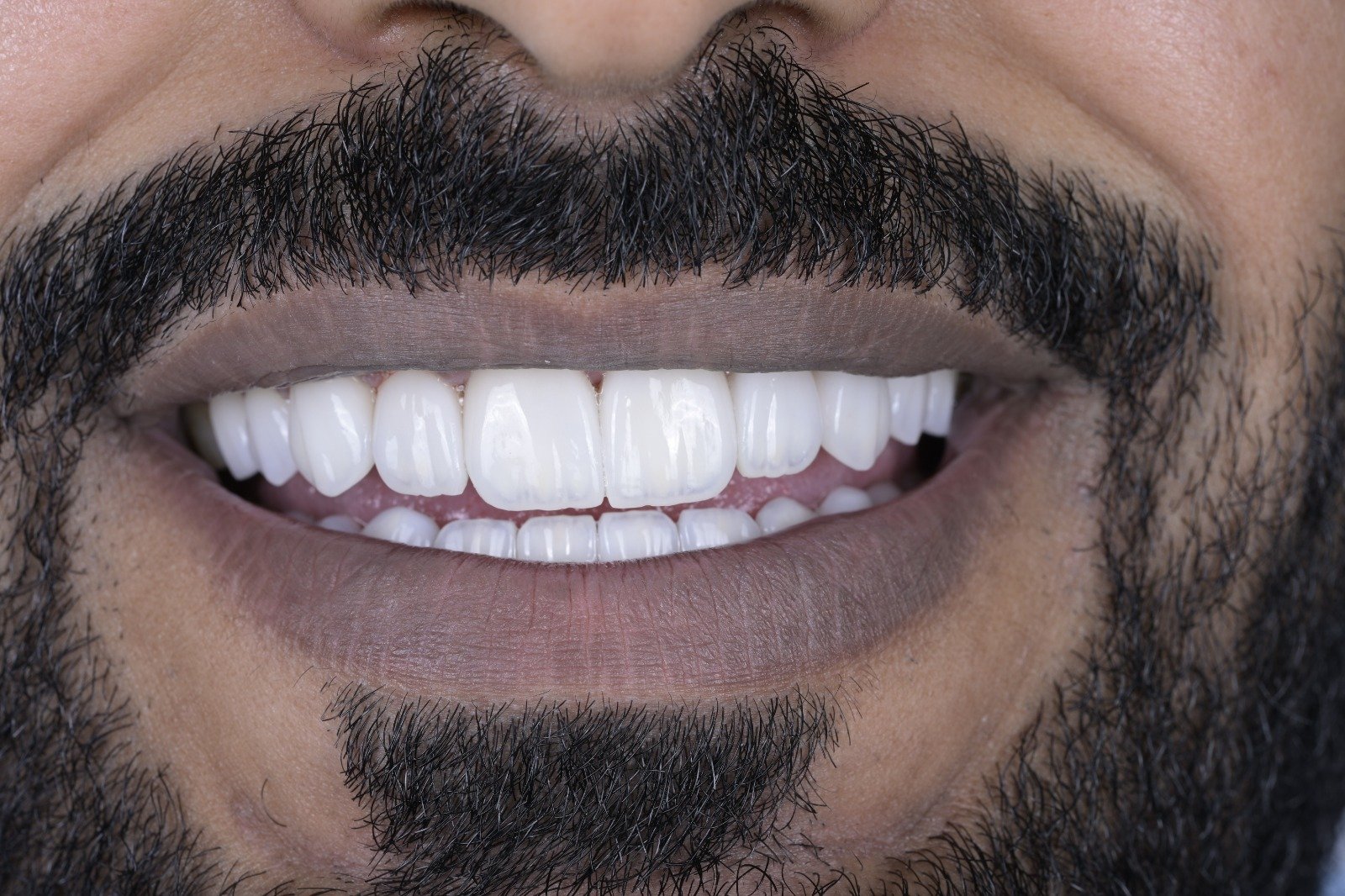
Before treatment
After treatment
Before treatment
After treatment
No fixed figure can be given before an examination, because no two cases are alike. Knowing the variables, though, lets you understand any quote you receive and compare quotes properly:
One question worth asking before deciding: “Does the price include the design, temporaries, try-in, bonding and follow-up?” Many low quotes cover the shells alone, with the rest appearing later. Ask for a written breakdown and the expected number of visits before starting.
Well-executed, well-maintained veneers last for many years. But their actual lifespan is determined by daily habits more than by the material itself:
And a candid point: veneers are not permanent forever. Shells eventually need replacing through normal wear or changes in the gum line. Since the tooth beneath is prepared, replacement is not optional but necessary once they reach the end of their life. This is part of the decision you should understand before starting, not after.
At Zoom Dental Clinic, a dental clinic in Tabarbour, every smile design begins with diagnosis rather than a catalogue. The elements supporting that approach:
For further context: if you are still at the stage of choosing a clinic, see our guide on how to choose a dental clinic, or browse the full list of dental services.
Address: Tabarbour, Amman, Jordan
Phone: 0790793443
Email: info@zoomdentaljo.com
Working hours: Saturday to Wednesday, 10:00 AM to 8:00 PM. Thursday, 10:00 AM to 6:00 PM.
Yes, most veneers require removing a thin layer of enamel to create space for the shell and ensure a result that is not bulky. That layer does not grow back, which makes the decision effectively irreversible, the tooth will need permanent coverage afterwards. Some limited cases suit ultra-thin veneers with minimal preparation, but that depends on the existing tooth shape, shade and bite, and is determined by examination rather than preference.
A veneer is a type of restoration, a thin shell bonded to the front of the tooth. E.max and zirconia are materials that veneers are made from. So the correct comparison is not “veneer or E.max” but “E.max veneer or zirconia veneer”. E.max offers light transmission closer to natural enamel and suits the front teeth; zirconia is stronger and better at masking a dark underlying tooth.
Well-executed, well-maintained veneers last many years, but they are not permanent forever and will eventually need replacing. The factors affecting lifespan most: the precision of the margin at the gum line, untreated night-time grinding, daily hygiene particularly at the gum line, and using the teeth to open things or bite hard items. Six-monthly check-ups catch any marginal leakage early.
Tooth preparation is done under local anaesthesia, so you feel no pain during the work, what you notice is pressure, vibration and the sound of the handpiece. Once the anaesthetic wears off, sensitivity to hot and cold for a few days is expected and eases over one to two weeks. Persistent pain or severe sensitivity beyond that is not normal and warrants contacting the clinic.
They are not alternatives to each other; each has its own indications. If the concern is general yellowing that responds to whitening, then whitening is simpler, less expensive and removes nothing from the tooth, and that is the right choice. If the staining resists whitening, or there are issues with shape, size or gaps, whitening alone will not address them. The practical rule: try the simplest, least invasive option first.
The number is dictated by your smile line, how many teeth are visible when you smile naturally, not by budget. Covering four teeth when your smile reveals eight creates an obvious shade difference between treated and untreated teeth, which looks worse than not treating them at all. Your dentist determines the number after assessing your smile line and lip position.
No. Ceramic materials do not respond to whitening agents, so the veneer shade stays as it is while the surrounding natural teeth lighten, creating a mismatch. The correct order is always: whiten first if you want to, allow the shade to settle over several days, then select the veneer shade against the new colour. Reversing that order can only be corrected by remaking the veneers.
The veneer itself does not, but a poorly fitting margin at the gum line or neglected cleaning causes bacterial accumulation, gum inflammation and bad breath. So it comes down to two things: the precision of the margin from the dentist’s side, and daily brushing and flossing at the gum line from yours. And existing gum inflammation must be treated before starting, without exception.
In many cases yes, but with a night guard as a condition rather than an optional extra. Grinding generates repeated pressure on the front teeth and is among the most common causes of fractured shells. Your dentist may also favour a stronger material such as zirconia in these cases. Hiding a grinding habit from your dentist means a plan built on incomplete information and a shorter-lived result.
Not in any full sense. Since preparation removed a layer of enamel that cannot be replaced, the tooth will need permanent coverage afterwards. The veneers can be replaced with new ones, but returning to an uncovered natural tooth is not a realistic option. This is precisely the point that makes the veneer decision worth careful thought and clear diagnosis beforehand.
Porcelain veneers usually need two main appointments: the first for preparation, impressions and fitting temporaries, and the second for try-in and final bonding. Some cases need an additional visit for the try-in or for preparatory work such as cleaning or gum treatment. Composite veneers are typically completed in a single appointment, since they are built directly in the mouth with no laboratory stage.
ZOOM DENTAL CLINIC, TABARBOUR, AMMAN
Start your smile with a diagnosis, not a photograph
Book an assessment covering your teeth, gums and bite, and get a clear recommendation: whether veneers genuinely suit your case, which material, and how many teeth.
Disclaimer: this content is for general awareness only and does not replace a clinical examination or direct medical consultation. Case photographs are of actual patients; results vary between cases and are not a promise of an identical outcome. Diagnosis and treatment planning are determined by your dentist after assessment.
